How to Analyse and Interpret Master's Thesis Data
Introduction to Master's Level Data Analysis Reaching the data analysis chapter of your Master's thesis often feels like arriving at a formidable crossroad. You have spent months, perhaps even a year, meticulously design…


How to Run a Pearson Correlation in SPSS (With Interpretation Guide)
By Mercy Ogunwale
Python for Beginners: Regression Analysis with Real Research Data
By Mercy Ogunwale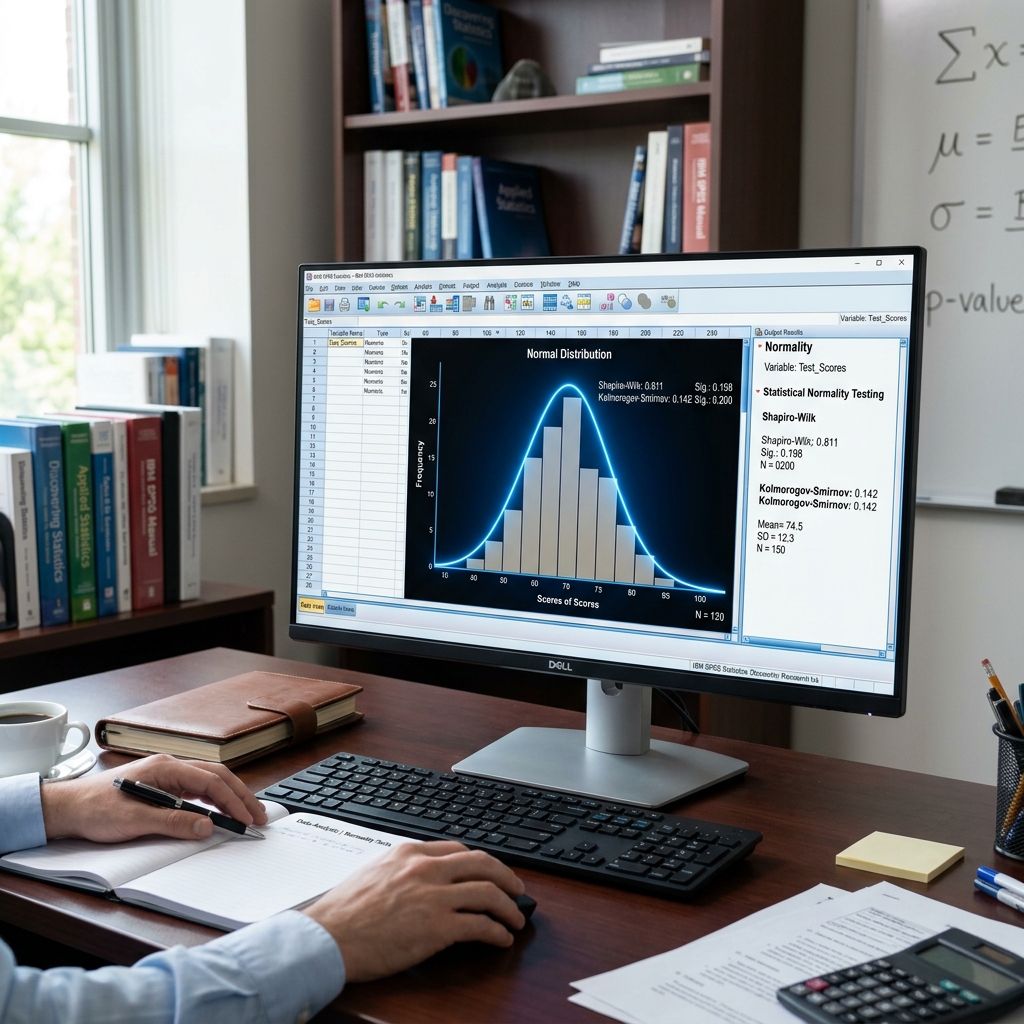
How to Test for Normality in SPSS Before Running Any Analysis
By Mercy Ogunwale
R vs SPSS: Which Should You Use for Your Dissertation?
By Mercy Ogunwale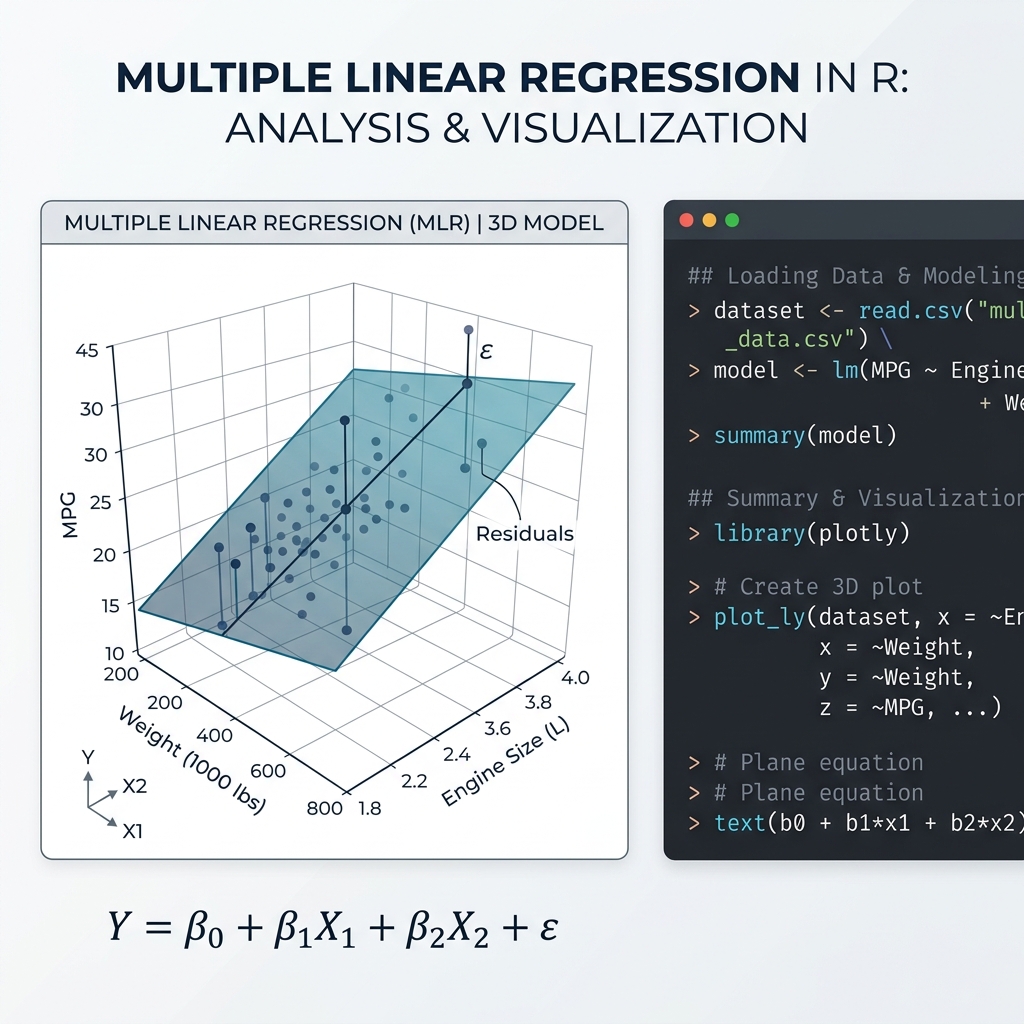
How to Run Multiple Regression in R (With Output Interpretation)
By Mercy Ogunwale
How to Visualise Your Research Results with Matplotlib & Seaborn
By Mercy Ogunwale
How to Collect and Analyze Data in Your First Research Project
By Mercy Ogunwale
How to Analyse Survey Data in Python (Likert Scale Step-by-Step)
By Mercy Ogunwale
SPSS ANOVA: Step-by-Step for Undergraduate Dissertations
By Mercy Ogunwale
Statistical Analysis for Undergraduate Research: A Practical Framework
By Mercy Ogunwale
Machine Learning in Social Science Research: A Practical Guide
By Mercy OgunwaleFrequently Asked Questions
We support a wide array of methods including descriptive statistics, regression analysis, ANOVA, Structural Equation Modelling (SEM), and time-series forecasting.
SPSS is highly recommended for survey-based social science research where you need quick, reliable cross-tabulations, ANOVA, and standard regression models without writing code.
R and Python are ideal for handling massive datasets, developing complex machine learning models, conducting advanced econometric forecasting, or creating highly customized data visualizations.
Statistical analysis typically focuses on exploring data and testing specific hypotheses (e.g., t-tests). Statistical modelling involves building predictive or explanatory mathematical equations (like regressions) to understand the deeper relationships between variables.
Yes, we provide detailed written interpretations of complex outputs, translating software tables into academic insights that directly answer your research questions.